12 November 2026 Post by : Editorial iGaming
Choosing the Best Hyacinth Varieties for Indoor Forcing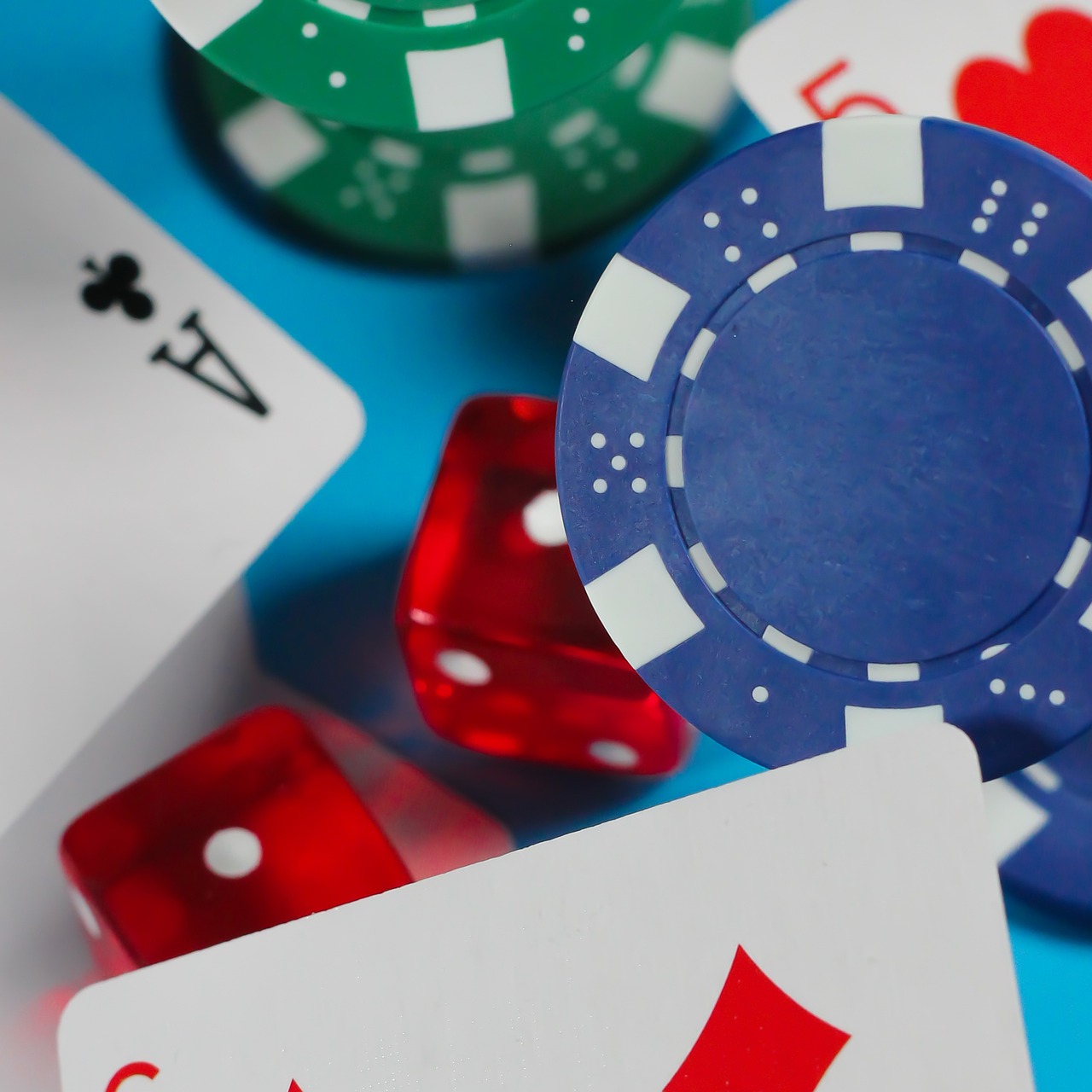
Everyone remembers their first bad beat. Mine came at a $2/$5 table in a casino that smelled like cheap carpet cleaner and hope. I flopped top two pair, got it all in against a guy wearing sunglasses indoors, and watched a river card gut me like a fish. That night taught me something that took years to fully appreciate: the size of the stakes has almost nothing to do with how much you can learn, and everything to do with how long you can afford to keep learning.
If you have been circling the iGaming world — bouncing between slots, sports betting, and the occasional poker table — there is a case to be made for slowing down, playing smaller, and treating low-stakes poker like the training ground it actually is. Let me explain why.
Low Stakes Isn't "Beginner" — It's a Different Game
There is a persistent myth that $1/$2 and $2/$5 games are just watered-down versions of the real thing. In reality, they are their own ecosystem with their own logic. Players call too much, bluff too little, and pay off value bets that a $25/$50 regular would fold in a heartbeat. That sounds easy until you realize those same tendencies make it nearly impossible to run a sophisticated bluff-heavy strategy. mahjong slot goes into the finer points.
The counterintuitive truth is this: at low stakes, the winning adjustment is almost always to value bet thinner and bluff less. That is not a downgrade of skill — it is a recognition that your opponents' mistakes dictate your best response. If you can accept that, low stakes becomes a lab where you can test fundamentals without burning your rent money on a three-barrel bluff that was never going to work.
The Bankroll Math Most Players Get Wrong
Here is a number that humbles almost everyone: a serious recreational player who wants to grind $1/$2 live poker with a real edge should have somewhere between 20 and 30 buy-ins set aside, which is $4,000 to $6,000. For $2/$5, that ceiling jumps to $10,000–$15,000 before variance lets you breathe easily.
Most people who say "I'll take $500 to the casino and see how it goes" are not playing poker. They are buying a lottery ticket with extra steps. The math matters because poker is one of the few casino games where skill compounds — but only if you survive long enough for variance to stop pretending to be your enemy.
- 20-30 buy-ins is the minimum comfort zone for live cash games with a proven edge.
- 50+ buy-ins is more realistic if you are still developing your game.
- Tournaments demand even more cushion — often 50-100 buy-ins — because the payout structure is violent and top-heavy.
Compare that to slot play, where the house edge sits between 2% and 10% depending on the machine, and you start to see why poker players tend to live longer financially than slot enthusiasts. Skill does not eliminate variance, but it bends the curve in your favor over time.
What Slots and Sports Betting Can Teach a Poker Player
This is where iGaming becomes genuinely interesting. The disciplines borrow from each other more than purists admit.
Slot players understand volatility in a way many poker players do not. High-volatility slots can go fifty spins without a meaningful hit and then crack open a 500x bonus. That rhythm mirrors the downswing-and-recovery cycle of a poker tournament, and it forces you to think in terms of expected value over hundreds of hands rather than the last five minutes. If you have ever tilted off three buy-ins after a bad flop, you already know you need that mental muscle.
Sports bettors bring line-shopping and closing line value into the conversation. A poker player who tracks their own decisions the way a sharp bettor tracks whether they beat the closing number will improve faster than almost anyone at the table. The lesson is the same: the result of any single hand is noise; the quality of your decision is signal.
A Practical Routine for Building a Real Edge
If you want to take this seriously without quitting your job or selling your car, here is a routine that actually works:
- Pick one game and one stake. Jumping between $1/$2, $2/$5, and a $20 tournament every weekend resets your learning curve every time.
- Track every session. Hours, buy-ins, results, and one note about the biggest mistake you made. That note is worth more than the result.
- Study one leak at a time. If you are calling too much from the big blind, work on that for two weeks. Do not overhaul your whole game at once.
- Set a loss limit in advance. Two buy-ins is a common and reasonable stop-loss for a low-stakes session.
- Review, don't just play. Twenty minutes of hand review after a session beats another hour at the table with tired eyes.
The players who climb from $1/$2 to $5/$10 are almost never the ones who play the most hours. They are the ones who treat every session as data.
The Discipline Nobody Wants to Hear About
Here is the part that does not fit into a glossy casino ad. Long-term profitability in poker comes down to one unglamorous habit: not playing when you are not in the right state of mind. Angry, tired, drunk, or chasing a loss — these are the conditions that turn a break-even player into a donor.
The same principle transfers across the entire iGaming spectrum. Slot players who set a coin-in limit and walk away when they hit it are statistically better off than those who "spin it back." Bettors who avoid chasing parlays after a bad Sunday are better off too. Discipline is not a personality trait; it is a protocol you follow even when you do not feel like it.
One concrete trick: put your session budget in a separate account or envelope, and when it is gone, it is gone. No ATM runs, no "just one more buy-in." That single rule has saved more bankrolls than every poker book combined.
Why This Still Matters in a Post-Solver World
Modern poker strategy has been solved to the point where even micro-stakes players can access charts and solvers that would have been unthinkable fifteen years ago. That has raised the floor of competence everywhere. In 2025, you cannot sit at a $1/$2 table with last decade's strategy and expect to crush it. The edge is smaller, the regs are sharper, and the game rewards study more than swagger.
But that is not bad news. It means poker is finally earning its reputation as a genuine skill game rather than a casino sideshow. The players who treat it like a craft — with deliberate practice, honest review, and realistic bankroll management — are the ones who stick around long enough to see the curve bend their way.
So whether you are spinning slots, sweating a Sunday slate, or grinding $1/$2 on a Tuesday night, the principle holds: play smaller than your ego wants, track more than your gut tells you, and give yourself enough runway for skill to actually show up. The rest is just cards.


Author

22 feb,2025
This incident opened my eyes to the value of Insurance in general, so I decided to examine my personal and business insurance.





Comment (3)
The payments are made directly from one person to another without passing through a central bank or clearing house.
22 feb,2025
ReplyDesigning With Hyacinths: Color Combinations for Spring Borders
23 feb,2025
ReplyCommon Hyacinth Problems and How to Solve Them
23 feb,2025
Reply