September 10, 2026 Post by : Editorial Garden Design
Hyacinth Care After Blooming: What to Do With Spent Bulbs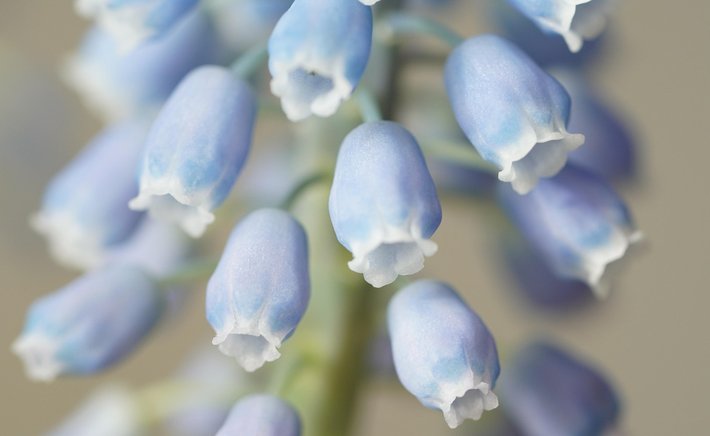
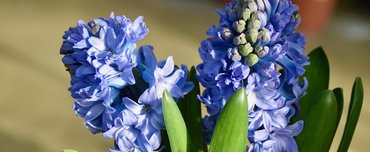
Hyacinths are the stars of the early spring garden. Their dense, fragrant flower spikes arrive just as the last frost is fading, and they bring a jolt of color when almost nothing else is blooming. But a garden made only of hyacinths is a short-lived pleasure. The blooms last a few weeks, and then the foliage lingers, slowly yellowing, for another month or more. Companion planting is the solution, and it is one of the most satisfying ways to get more from your spring beds.
The goal is to choose plants that either bloom at the same time and complement the hyacinths, or that emerge just as the hyacinths are finishing and hide the fading foliage. A good companion should also have similar growing needs: well-drained soil, moderate moisture, and a tolerance for the cool, unpredictable weather of early spring.
Classic Pairings That Work
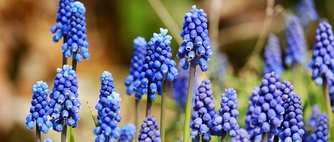
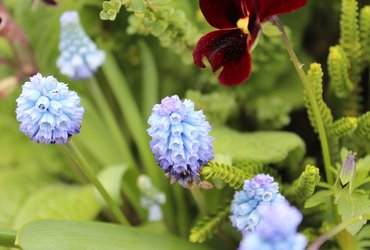
Grape hyacinths, despite the name, are not true hyacinths, but they are natural partners. Their smaller, cobalt-blue spikes appear at roughly the same time and pick up the blue tones in varieties like 'Delft Blue'. They also naturalize readily, spreading into drifts that return year after year. Plant them in front of taller hyacinths for a layered effect.
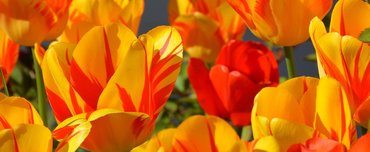
Tulips are another obvious choice, but timing matters. Early tulips bloom alongside hyacinths, while later varieties take over as the hyacinths fade. Choose a mix of both so the bed stays interesting for six weeks instead of two. Daffodils are also reliable companions, and their yellow and white tones contrast nicely with purple and pink hyacinths. Because daffodils are unpalatable to most pests, they add a layer of protection to the bed as well.
For something softer, consider forget-me-nots. Their tiny blue flowers weave between hyacinth stems and fill in the gaps, creating a cottage-garden feel. They self-seed freely, so a small patch can become a recurring spring feature. Pansies and violas are another good option, especially in containers where their low, spreading habit covers the soil and distracts from yellowing leaves.
Using Foliage to Hide the Fade
The trickiest part of growing hyacinths is the period after bloom, when the leaves are still photosynthesizing but no longer look attractive. This is when perennials that emerge early come into their own. Hostas, for example, send up their first leaves just as hyacinths are finishing, and their broad foliage quickly covers the space. Daylilies, hardy geraniums, and ferns do the same, though they tend to emerge a little later.
If you are planting in a border, arrange hyacinths in clusters rather than straight rows, and surround them with perennials that will grow up around them. The hyacinths will bloom through the gaps in early spring, and by the time they fade, the perennials will have filled in. This approach also protects the bulbs from being accidentally dug up during summer gardening, since the surrounding plants mark the spot.
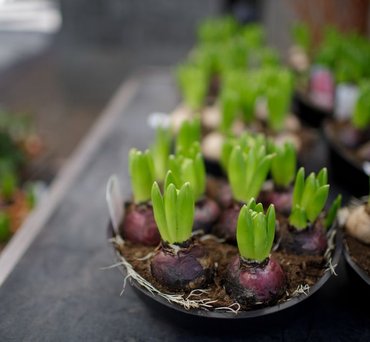
In containers, the same principle applies. Plant hyacinths in the center of a pot and surround them with pansies, ivy, or trailing herbs like thyme. As the hyacinths finish, the companions take over and the pot stays presentable. When everything is done, you can lift the bulbs, dry them, and store them for fall planting, or simply compost them and start fresh next year.
Author

22 feb,2025
This incident opened my eyes to the value of Insurance in general, so I decided to examine my personal and business insurance.
Comment (3)
The payments are made directly from one person to another without passing through a central bank or clearing house.
22 feb,2025
ReplyGrowing Hyacinths in Containers: Pots, Soil, and Drainage
23 feb,2025
ReplyForcing Hyacinths Indoors: A Step-by-Step Guide to Winter Blooms
23 feb,2025
Reply