September 22, 2026 Post by : Editorial Plant Care
Why Your Hyacinth Leaves Are Turning Yellow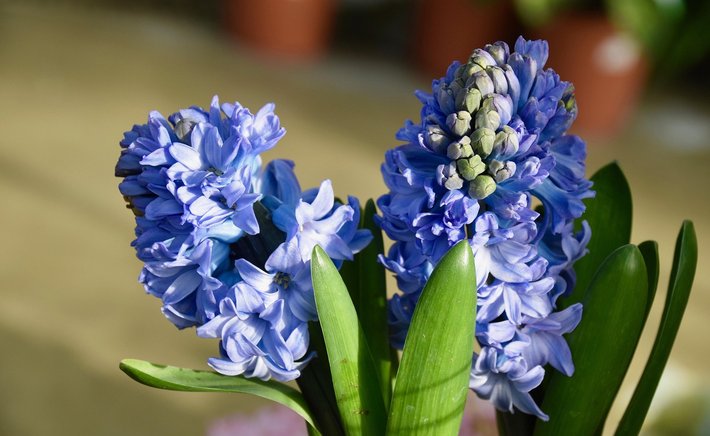
Hyacinths are generally robust, but they can run into trouble. The good news is that most problems are easy to diagnose and fix once you know what to look for. Whether you are growing them in the garden or forcing them indoors, a little observation goes a long way. Here are the issues gardeners encounter most often and what to do about them.
One of the most common complaints is floppy stems. Hyacinth flower spikes are heavy, and if the plant is grown in too-warm conditions or too little light, the stems stretch and fall over. The fix is to move the plant to a cooler spot with bright, indirect light. You can also stake the stems gently with a thin bamboo stick if they are already leaning. Keeping the plant cool during the growing phase is the best prevention.
Yellowing Leaves and Weak Growth
Yellow leaves can mean several things. If the yellowing happens after the flowers fade, it is completely normal and part of the bulb's natural cycle. If it happens while the plant is still blooming, it often points to overwatering or poor drainage. Check the soil and reduce watering if it feels soggy. Yellowing can also indicate a lack of nutrients, especially in container-grown plants. A diluted liquid fertilizer applied every two weeks during growth can help.
Weak growth, where the plant produces leaves but few or no flowers, usually means the bulb did not get enough cold during its dormant period. This is common with forced hyacinths that were not chilled long enough, or with bulbs that were stored in a warm place. Unfortunately, there is no quick fix once the plant is growing. Let the leaves mature and store energy, then try again next season with a longer cold treatment.
Pests and Diseases to Watch For
Hyacinths are not heavily bothered by pests, but aphids can occasionally appear on the leaves and flower buds. A strong spray of water usually knocks them off, and insecticidal soap works if the infestation is heavy. Slugs may nibble on outdoor plants, especially in damp weather. Set out a beer trap or handpick them in the evening. Fungal diseases like botrytis can develop in wet, crowded conditions. Improve air circulation and avoid overhead watering to keep it at bay.
Bulb rot is the most serious problem, and it is almost always caused by poorly drained soil. If you dig up a bulb and find it soft and brown, discard it and amend the soil before replanting. Good drainage is the single most important factor in keeping hyacinth bulbs healthy. With a little care and attention, most problems are minor, and your hyacinths will reward you with the kind of spring display that makes the whole garden feel alive.

Author

22 feb,2025
This incident opened my eyes to the value of Insurance in general, so I decided to examine my personal and business insurance.
Comment (3)
The payments are made directly from one person to another without passing through a central bank or clearing house.
22 feb,2025
ReplyHow to Grow Hyacinths in Water Without Soil
23 feb,2025
ReplyWhy Your Hyacinth Leaves Are Turning Yellow
23 feb,2025
Reply