September 7, 2026 Post by : Editorial Container Growing
Watering Hyacinths: How to Avoid the Most Common Mistakes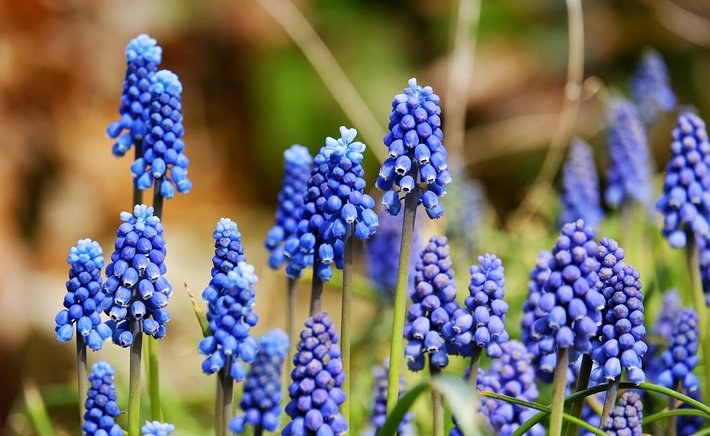
Hyacinths are wonderfully adaptable, and some of the best displays come from pots rather than garden beds. Containers let you control the soil, move plants into the best light, and bring the fragrance right up to the front door or kitchen table. But growing hyacinths in pots is not quite the same as growing them in the ground. The limited space, the way water behaves in a container, and the risk of freezing all require a little planning.
The first decision is the pot itself. Hyacinths have a relatively shallow root system compared to many bulbs, but they still need room to spread. A pot that is at least six to eight inches deep and wide enough to hold three bulbs comfortably is a good starting point. Wider is better than deeper, because the bulbs will look better in a cluster than in a single narrow column.
The Right Soil and Drainage
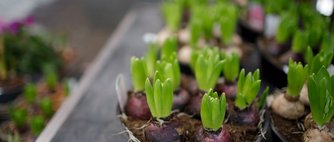
Drainage is the single most important factor in container hyacinth success. Bulbs rot quickly in waterlogged soil, and containers without drainage holes are a recipe for disaster. If you have a decorative pot with no holes, use it as a cachepot and keep the actual growing pot inside, or drill a few holes in the bottom before planting. A layer of gravel at the bottom does not actually improve drainage in most containers, despite the old advice, so focus on the holes instead.
For soil, use a quality potting mix rather than garden soil. Garden soil compacts in containers and drains poorly. A mix that includes perlite or coarse sand will keep the texture open and allow excess water to escape. Some gardeners add a handful of bulb fiber or coconut coir to lighten the mix further. Whatever you use, make sure it is fresh and sterile, because bulbs are vulnerable to fungal problems in reused soil.
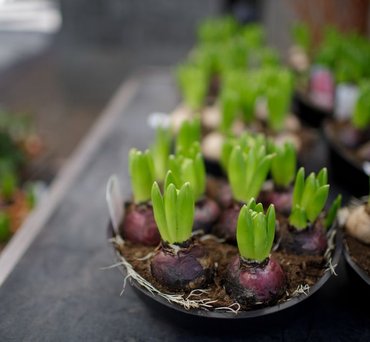
Plant the bulbs with their tips just at or slightly below the soil surface. Unlike tulips and daffodils, hyacinths do not need to be buried deeply in containers. Space them about an inch apart so they have room to swell but still support each other as they grow. Water thoroughly after planting, then let the pot drain completely before moving it to its chilling spot.
Overwintering and Bringing Them Into Bloom
Hyacinths in containers need the same cold period as those in the ground, but they are more exposed to temperature swings. If you live in a cold climate, the pots can freeze solid, which kills the bulbs. The solution is to insulate them. Group pots together in a protected corner, cover them with a thick layer of mulch or straw, and check them periodically to make sure the soil is not completely dry.
An unheated garage or shed is often ideal, as long as temperatures stay above freezing. If you do not have a suitable outdoor spot, a refrigerator works for small pots, though you will need to keep them away from fruit, which releases ethylene gas that can damage the bulbs.
Once shoots appear and the pots have had their cold period, bring them indoors gradually. Start in a cool, bright spot, then move them to their final location after a week or so. Keep the soil lightly moist but never soggy, and rotate the pots every few days so the stems grow straight. With a little care, container hyacinths will reward you with the same dense, fragrant blooms you would get from the garden, only closer to home.

Author
22 feb,2025
This incident opened my eyes to the value of Insurance in general, so I decided to examine my personal and business insurance.
Comment (3)
The payments are made directly from one person to another without passing through a central bank or clearing house.
22 feb,2025
ReplyHow to Grow Hyacinths in Water Without Soil
23 feb,2025
ReplyWhy Your Hyacinth Leaves Are Turning Yellow
23 feb,2025
Reply