September 16, 2026 Post by : Editorial Indoor Growing
Growing Hyacinths in Containers: Pots, Soil, and Drainage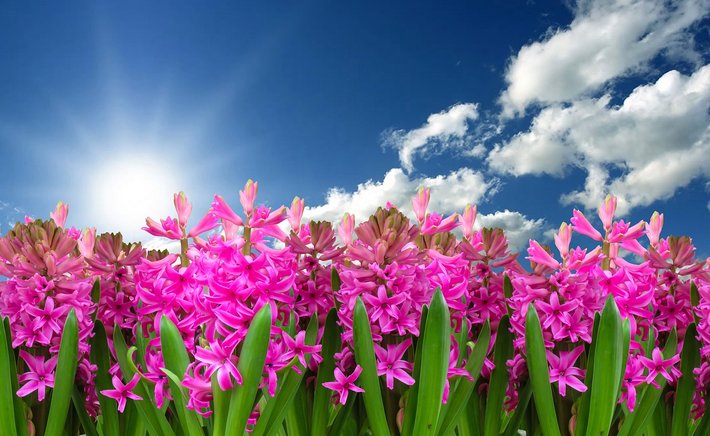
There is something almost magical about watching a hyacinth bulb send roots down into a glass of water while a green shoot pushes up toward the light. Growing hyacinths in water is an old tradition, especially in the Netherlands, and it remains one of the easiest ways to bring color and fragrance into a home during the coldest months. You do not need soil, a greenhouse, or any special equipment beyond a glass and a little refrigerator space.
The key is choosing the right container. Specialty hyacinth glasses are shaped like an hourglass, with a narrow neck that holds the bulb just above the water line. If you do not have one, a small jam jar with a narrow mouth or even a clean yogurt cup with a hole cut in the lid can work. The important thing is that the bulb sits securely without falling in, and that its base hovers just above the water rather than soaking in it.
The Chilling Phase Is Everything
Hyacinth bulbs will not grow until they have been chilled. In the garden, winter does this work for them. Indoors, you have to recreate that cold period yourself. Place the bulb in its glass, add water so it just touches the base of the bulb, and then move the whole thing to a dark, cold spot. A refrigerator works well, as does an unheated basement or garage that stays between roughly 35 and 50 degrees Fahrenheit.
Leave it there for about eight to twelve weeks. Check the water level every week or so and top it up as needed, but never let the bulb sit submerged. You will know the chilling phase is working when you see a cluster of white roots forming in the water and a small green shoot emerging from the top of the bulb. Once the shoot is a couple of inches tall and the roots look healthy, it is time to bring the glass into the light.
Move it gradually. A sudden shift from a dark refrigerator to a warm, sunny windowsill can shock the plant and cause the flower stalk to abort. Instead, place it first in a cool, dimly lit room for a few days, then slowly introduce more light over the next week.
Supporting the Stems as They Grow
As the flower spike develops, it can become top-heavy, especially with large-flowered varieties. A simple loop of twine or a thin bamboo stake can keep it upright without looking fussy. You can also rotate the glass a quarter turn every day or two so the stem grows straight rather than leaning toward the window.
Keep the water fresh. Change it every week or two, and rinse the glass to prevent algae from building up around the roots. If you notice a slightly sweet or sour smell, that is usually a sign the bulb is starting to rot, which often happens when the water level is too high. In that case, pull the bulb, trim any mushy roots with clean scissors, and start again with less water.
Once the flowers fade, the bulb is spent. Unlike soil-grown hyacinths, which can sometimes be planted outside to recover, bulbs forced in water have used up most of their stored energy and are usually best composted. Enjoy them for the season, then start fresh next fall with new bulbs. The whole process takes a few months, but the reward is a windowsill full of color while the garden outside is still asleep.


Author

22 feb,2025
This incident opened my eyes to the value of Insurance in general, so I decided to examine my personal and business insurance.


Comment (3)
The payments are made directly from one person to another without passing through a central bank or clearing house.
22 feb,2025
ReplyDesigning With Hyacinths: Color Combinations for Spring Borders
23 feb,2025
ReplyCommon Hyacinth Problems and How to Solve Them
23 feb,2025
Reply