October 1, 2026 Post by : Editorial Bulb Care
Common Hyacinth Problems and How to Solve Them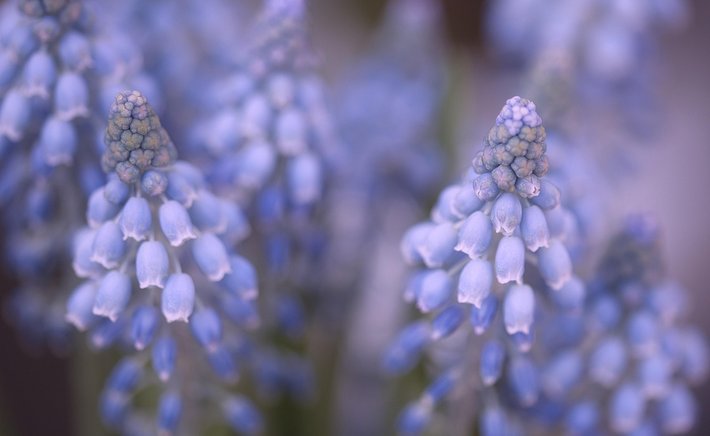
Hyacinths put on a spectacular show, but eventually those colorful spikes fade and the leaves begin to yellow. At that point, many gardeners are unsure what to do. Should you throw the plant away, cut it back, or try to save the bulb? The answer depends on where your hyacinths were growing and how much effort you want to invest, but in most cases the bulbs can be kept and encouraged to bloom again with a little care.
If your hyacinths were growing in the garden, the process is straightforward. Resist the urge to cut the leaves right after the flowers fade. Those green leaves are busy photosynthesizing and storing energy in the bulb for next year's bloom. Let them stay in place until they turn yellow and wither on their own, which usually takes about six weeks. During this time, keep watering normally if the weather is dry. Once the foliage has died back completely, you can trim it off at ground level. The bulb will then rest underground until the following spring.
Handling Hyacinths Grown Indoors
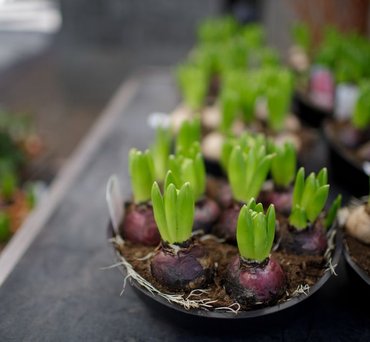
Forced hyacinths in pots are a different story. The bulbs have spent a lot of energy producing blooms in a warm, low-light environment, and they are often smaller and weaker than they were when you bought them. You can still try to save them, but you need to manage your expectations. After the flowers fade, move the pot to a bright window and continue watering so the leaves can gather energy. Once the foliage dies back, stop watering and let the soil dry out. Store the pot in a cool, dark place until autumn.
In autumn, you can plant the bulbs outdoors in a sunny spot with well-drained soil. Set them about six inches deep and mark the location so you do not accidentally dig them up. The first year after forcing, many bulbs will produce only leaves or a few small flowers. By the second or third year, they often recover and bloom well again. If you live in a very cold climate, add a layer of mulch over the planting site to protect the bulbs through winter.
When to Let Go
Not every bulb is worth saving. If the bulb feels soft, smells sour, or has visible mold, compost it and start fresh. Hyacinth bulbs are inexpensive, and sometimes the simplest choice is to enjoy the blooms for one season and then move on. That said, there is real satisfaction in nursing a spent bulb back to health and seeing it flower again in the garden. It connects you to the rhythm of the seasons and reminds you that plants are remarkably resilient when given the right conditions.
Whichever path you choose, the key is to act before the leaves dry out completely. Once the foliage is gone, the bulb has no way to store more energy, so timing matters. A little attention now means more flowers later, and that is always worth the effort.


Author

22 feb,2025
This incident opened my eyes to the value of Insurance in general, so I decided to examine my personal and business insurance.


Comment (3)
The payments are made directly from one person to another without passing through a central bank or clearing house.
22 feb,2025
ReplyForcing Hyacinths Indoors: A Step-by-Step Guide to Winter Blooms
23 feb,2025
ReplyHyacinth Care After Blooming: What to Do With Spent Bulbs
23 feb,2025
Reply