5 November 2026 Post by : Editorial iGaming
Choosing the Best Hyacinth Varieties for Indoor Forcing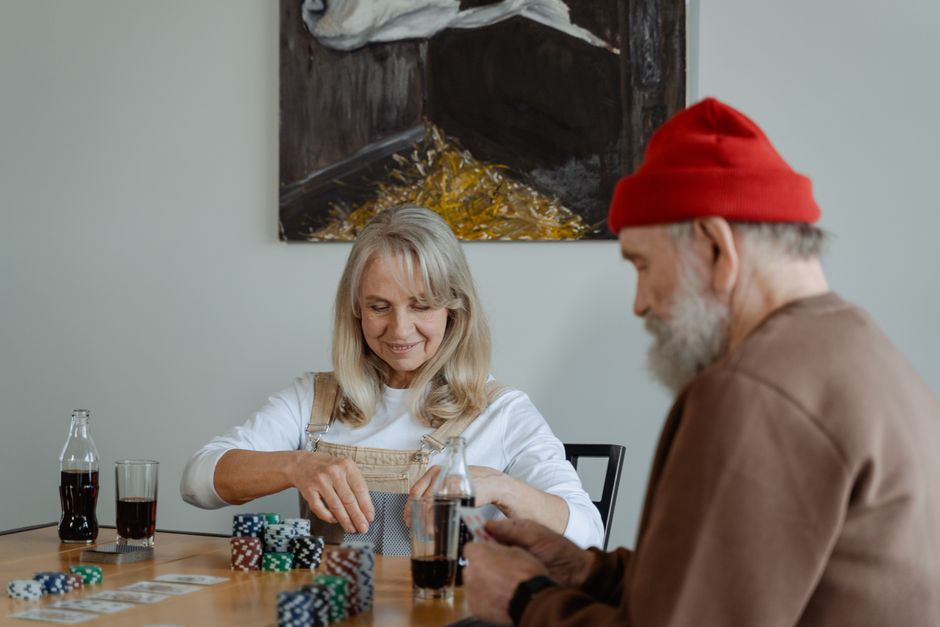
You have $100 and an hour to kill. Do you spin the reels, sit at a poker table, or throw it on a football game? Most players treat these as interchangeable ways to gamble. That’s a mistake. Slots, poker, and sports betting are fundamentally different animals. They demand different skills, offer different edges, and attract completely different personality types. Walk into any casino and you’ll see it: the slot floor is a lonely hum of flashing lights; the poker room is a tense, silent battle of wits; the sportsbook is a loud, beer-soaked argument about a bad call. If you don’t understand those distinctions, you’re not gambling—you’re guessing. This article isn’t about hyping the next big jackpot. It’s about giving you a clear-eyed look at three pillars of iGaming so you can pick the one that actually fits your brain, your bankroll, and your tolerance for losing.
Slots: The Purest Form of Entertainment—If You Accept the Math
Let’s get one thing straight: slots are not a skill game. They never were. Every spin is an independent event governed by a random number generator (RNG). The machine doesn’t know you’ve lost five times in a row. It doesn’t “owe” you a payout. That sounds obvious, but you’d be shocked how many players fall for the gambler’s fallacy—believing a cold machine is “due.”
What you can control is variance and RTP (return to player). A slot with a 96% RTP returns $96 for every $100 wagered over millions of spins. The other 4% is the house edge. But that’s an average. In a single session, you might hit a 500x jackpot on your third spin—or lose your entire budget in 20 minutes. High-volatility slots like Book of Dead pay rarely but massively. Low-volatility slots like Starburst pay often but small. Neither is “better.” They just suit different moods. Some of the clearest guidance on this comes from slot 5000.
Here’s a concrete tip: set a hard stop-loss before you spin. If you deposit $50, decide you’ll quit at $20 remaining. And never chase losses. The math doesn’t care about your feelings. For pure brain-off entertainment, slots are unbeatable. For making money? Treat them like a movie ticket—you’re paying for the thrill, not an investment.
Poker: The Only Game Where You Can Have a Real Edge
Poker is not gambling in the same way slots are. Yes, there’s luck in the short term—you’ll lose with aces to a lucky river now and then. But over thousands of hands, skill dominates. That’s why professional poker players exist, while professional slot players don’t (unless they’re content creators selling a dream).
In Texas Hold’em, you’re not playing against the house. You’re playing against other people. The house takes a small rake (typically 5% of the pot, capped at $5 in most live $1/$2 games). Your edge comes from exploiting opponents’ mistakes: calling too much, bluffing too little, playing too many hands. A tight-aggressive strategy—playing only strong starting hands like premium pairs and AK, then betting aggressively—can yield a win rate of 5 to 10 big blinds per hour in soft live games.
But here’s the catch: poker is hard work. You need bankroll management (never buy into a game with more than 5% of your dedicated poker funds). You need emotional control. You need to study. If you’re not willing to put in the time, you’ll be the fish at the table. The beauty is that the edge is real. The grind is brutal. If you love strategy and competition, poker is the most rewarding iGaming discipline. If you want passive entertainment, stay away.
Sports Betting: Where Information Is Currency
Sports betting sits somewhere between slots and poker. You can’t control the bounce of a ball, but you can control which bets you make based on data. The house edge is baked into the odds—typically 4 to 5% on standard -110 lines (bet $110 to win $100). That’s better than most slots, worse than a skilled poker player’s edge.
What separates winning bettors from losers? Line shopping and specialization. If you bet on every sport and every game, you’re a mark. If you focus on one niche—say, NBA player props or English Championship soccer—you can spot inefficiencies. For example, a book might offer +120 on a running back to score a touchdown when the true probability suggests +105. That’s value. Over 100 bets, that edge compounds.
Another non-negotiable: track every bet. Use a spreadsheet. Record the sport, the odds, the stake, and the result. After 200 bets, you’ll know if you’re actually good or just lucky. Most people aren’t. Also, avoid parlay cards. The house edge on a 4-team parlay can exceed 20%. They’re fun, but they’re lottery tickets dressed up as analysis. If you want to treat sports betting like a hobby, fine—but call it what it is. If you want to win, treat it like a part-time job.
The Bankroll Question: One Size Does Not Fit All
Your approach to money management should match the game you play. Here’s a quick breakdown:
- Slots: Set a session budget you’re comfortable losing entirely. Never reload mid-session. Think of it as paying for entertainment, like a concert ticket.
- Poker: Your bankroll should be at least 20 buy-ins for cash games (e.g., $2,000 for $1/$2) or 50 to 100 buy-ins for tournaments. This cushions the inevitable downswings.
- Sports betting: Use flat betting—1 to 2% of your bankroll per play. If you have $1,000, bet $10 to $20 per game. This keeps you alive during losing streaks.
Mixing bankrolls is a recipe for disaster. Don’t use your poker winnings to fund slot spins. That’s how you turn a profitable hobby into a chaotic bleed.
The Psychology of Each Game: Know Thyself
Slots trigger near-miss effects and flashing lights that keep you glued to the seat. They’re designed to be hypnotic. If you have an addictive personality or struggle with impulse control, slots are the most dangerous of the three. Poker attracts competitive, analytical types—but also sore losers who tilt and spew chips. Sports betting draws people who think they “know sports” but can’t separate fandom from probability.
Before you deposit a dime, ask yourself: Why am I here? If the answer is “to win money consistently,” only poker (with study) or sports betting (with discipline) offer a path. If the answer is “to have fun and maybe get lucky,” slots are perfectly fine—as long as you respect the math. The worst outcome is pretending you’re an investor when you’re actually a gambler.
Final Thought: Pick Your Lane and Own It
iGaming isn’t one thing. It’s a spectrum from pure chance to pure skill, with sports betting somewhere in the messy middle. The players who enjoy themselves most—and lose the least—are the ones who know exactly which lane they’re in. Don’t play poker like a slot machine, expecting quick jackpots. Don’t bet on sports based on gut feeling and call it analysis. And don’t dump your rent money into a progressive slot because “it’s due.” Choose the game that matches your temperament, set rules you won’t break, and treat the house edge with the respect it demands. That’s not boring. That’s smart. And in this world, smart lasts longer than lucky.


Author

22 feb,2025
This incident opened my eyes to the value of Insurance in general, so I decided to examine my personal and business insurance.





Comment (3)
The payments are made directly from one person to another without passing through a central bank or clearing house.
22 feb,2025
ReplyDesigning With Hyacinths: Color Combinations for Spring Borders
23 feb,2025
ReplyCommon Hyacinth Problems and How to Solve Them
23 feb,2025
Reply